
Professional Training, Licensing & International Safety Standards
Costa Rica is a paradise for adventure seekers. Its rivers offer thrilling whitewater rafting experiences. But safety is paramount in these adventures.
Certified whitewater rafting guides in Costa Rica ensure this safety. They undergo rigorous training and adhere to international standards. Their expertise guarantees a secure and enjoyable journey.
These guides are not just skilled in rafting. They are also knowledgeable about local rivers and weather conditions. This knowledge is crucial for navigating Costa Rica’s diverse waterways.
Certification involves more than just rafting skills. Guides must also be trained in first aid and CPR. This training prepares them for any emergencies that may arise.
The International Rafting Federation (IRF) plays a key role. It provides guidelines and certifications for rafting guides worldwide. Costa Rica’s guides follow these standards closely.
Adventure tourism is a significant part of Costa Rica’s economy. Certified guides are essential to maintaining high safety standards. They enhance the overall experience for tourists.
The Importance of Certified Whitewater Rafting Guides in Costa Rica
Certified guides are vital to Costa Rica’s rafting industry. They provide more than just steering a raft down the river. Their role encompasses safety, education, and enhancement of the overall adventure.
Guides ensure the group’s safety. They are trained to handle emergencies and make quick decisions. This is crucial in unpredictable river environments.
They are also knowledgeable educators. Certified guides impart insights into local ecosystems and wildlife. This enriches the rafting experience, transforming it into a learning journey.
Beyond their technical skills, guides contribute to sustainable tourism. They promote responsible practices and minimize environmental impact. Their awareness supports Costa Rica’s commitment to eco-tourism.
Tourists gain several benefits from certified guides:
Expert navigation through challenging rapids.
Insights into local flora and fauna.
Assurance of high safety standards.
Enhanced cultural understanding.
Promotion of sustainable practices.
In summary, certified guides elevate the rafting experience. They blend technical prowess with cultural insight, crafting unforgettable adventures.
Overview of River Rafting in Costa Rica
Costa Rica is a haven for whitewater enthusiasts. The nation is blessed with numerous rivers, each offering a unique experience. From serene floats to thrilling rapids, there’s something for everyone.
The diversity in river difficulty makes Costa Rica an ideal destination. Beginners and seasoned rafters alike can find suitable waters. Notable rivers include Pacuare, Reventazón, and Sarapiquí.
These rivers are more than just aquatic playgrounds. They meander through lush rainforests, vibrant wildlife habitats, and breathtaking landscapes. Rafters can enjoy stunning views along with the adrenaline rush.
Costa Rica’s commitment to preserving its natural beauty enhances the rafting experience. Adventure guides are well-versed in the importance of conservation. They educate tourists on how to enjoy the rivers responsibly.
A typical river rafting adventure in Costa Rica may include:
A mix of challenging rapids and calm waters.
Encounters with exotic wildlife.
Vivid displays of tropical flora.
Opportunities for environmental learning.
Experiences in eco-friendly tourism practices.

What It Takes to Become a Certified Rafting Guide
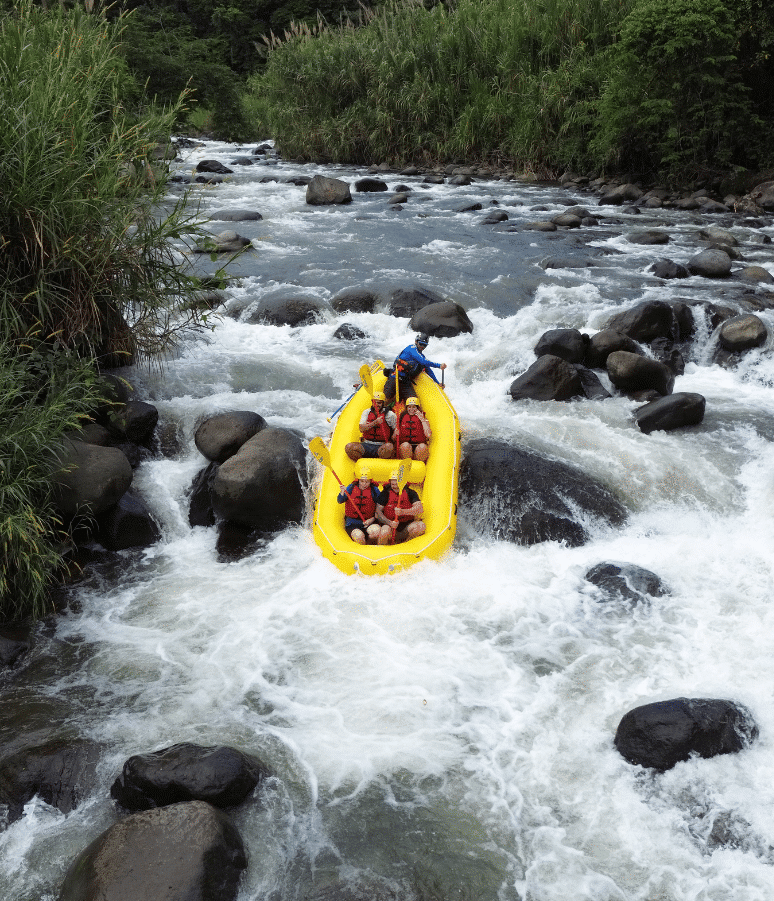
Becoming a certified rafting guide in Costa Rica is no small feat. It requires dedication, expertise, and an understanding of the environment. The journey begins with rigorous training programs designed to hone critical skills.
Training covers a range of essential competencies. Guides learn advanced rafting techniques, including navigation and rescue. Participants must also master river etiquette and safety protocols.
Understanding local rivers is crucial. Guides study river classifications and hydrology to navigate safely. Knowing the specifics of each river ensures confidence in diverse conditions.
In addition to rafting skills, guides need first aid and CPR certification. This medical training is mandatory to handle emergencies. Guides must act swiftly and efficiently in critical situations.
Cultural and communication skills are equally important. Guides often work with international clients. Language proficiency and cultural sensitivity enhance the tourist experience.
Essential steps to become a certified guide include:
Completing a recognized rafting guide course.
Acquiring first aid and CPR certification.
Gaining practical experience on various rivers.
Developing environmental awareness and conservation knowledge.
Pursuing continuous professional development.
The certification process involves both theoretical and practical assessments. This ensures guides are well-prepared and competent. Guides also undergo regular recertification, aligning with the latest standards.
A certified guide significantly enhances a rafting adventure. Their skills and insights offer safety and education, enriching the overall experience.
Training Programs and Requirements for Adventure Guides
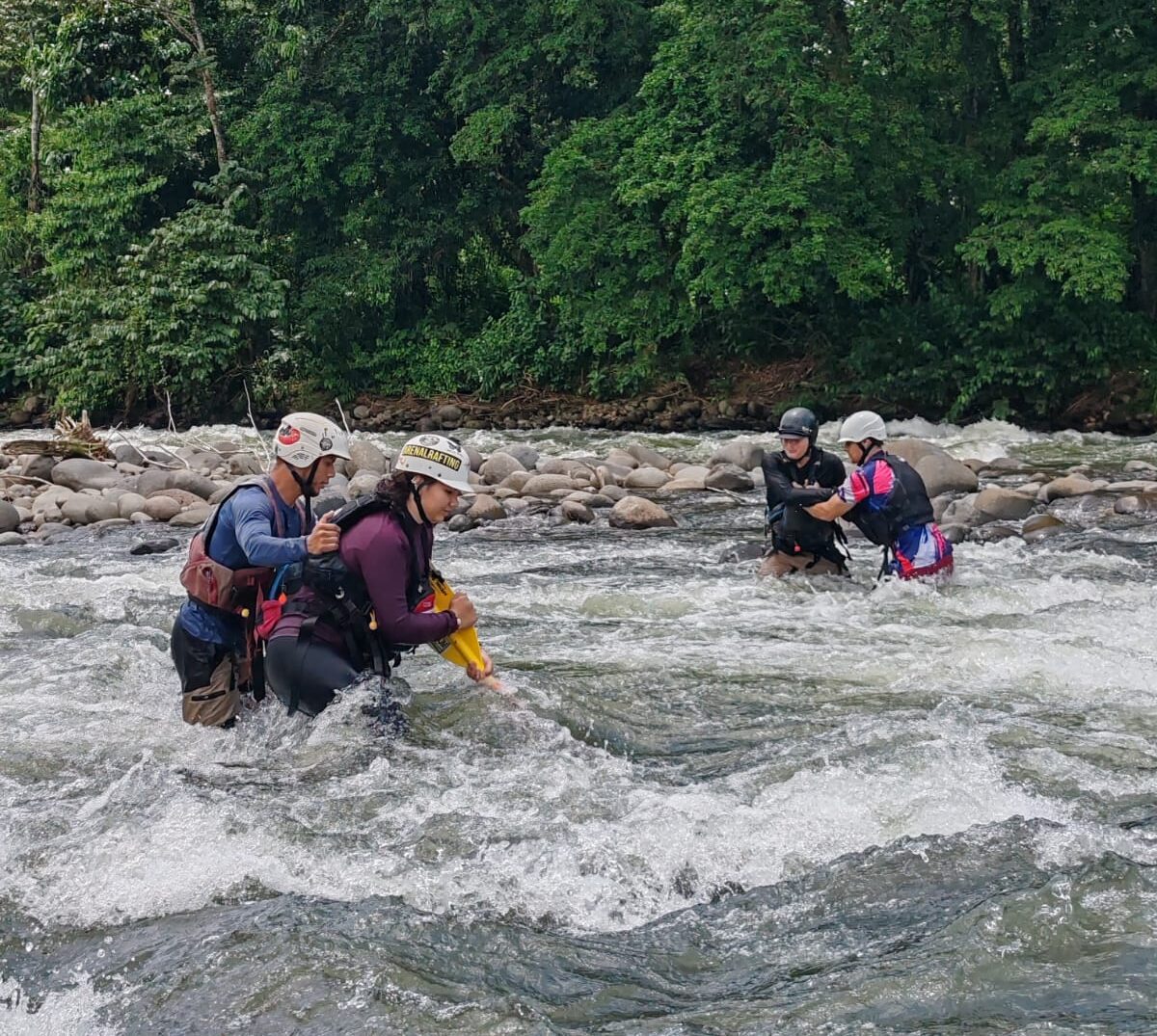
Aspiring adventure guides in Costa Rica embark on comprehensive training programs. These programs instill skills necessary for safe and successful river expeditions. The training emphasizes both theoretical knowledge and practical expertise.
Adventure guides start with foundational courses. These courses include river safety, navigation, and customer service. This solid grounding is crucial for complex river scenarios. Mastering these skills ensures a high-quality adventure for all.
The programs also stress emergency preparedness. Guides must complete first aid and CPR certification. Practical exercises help simulate real-life emergencies. This preparation is vital for maintaining safety on the water.
Environmental education forms a key component of the training. Guides learn about biodiversity and conservation practices. This knowledge helps promote sustainable tourism. Guides act as ambassadors of Costa Rica’s natural beauty.
Training culminates in practical assessments. Guides must demonstrate proficiency in guiding techniques and safety measures. Continuous learning is encouraged. Certified guides are expected to keep up with new techniques and safety protocols.
Core training components include:
River navigation and handling techniques
Emergency response and rescue drills
Environmental awareness and conservation strategies
Communication and customer service skills
Continuous skill assessment and improvement
Upon completion, guides are ready to lead thrilling yet safe rafting trips. Their training ensures that visitors have memorable and secure experiences.
Licensing and Regulation: Who Oversees Rafting Guides?
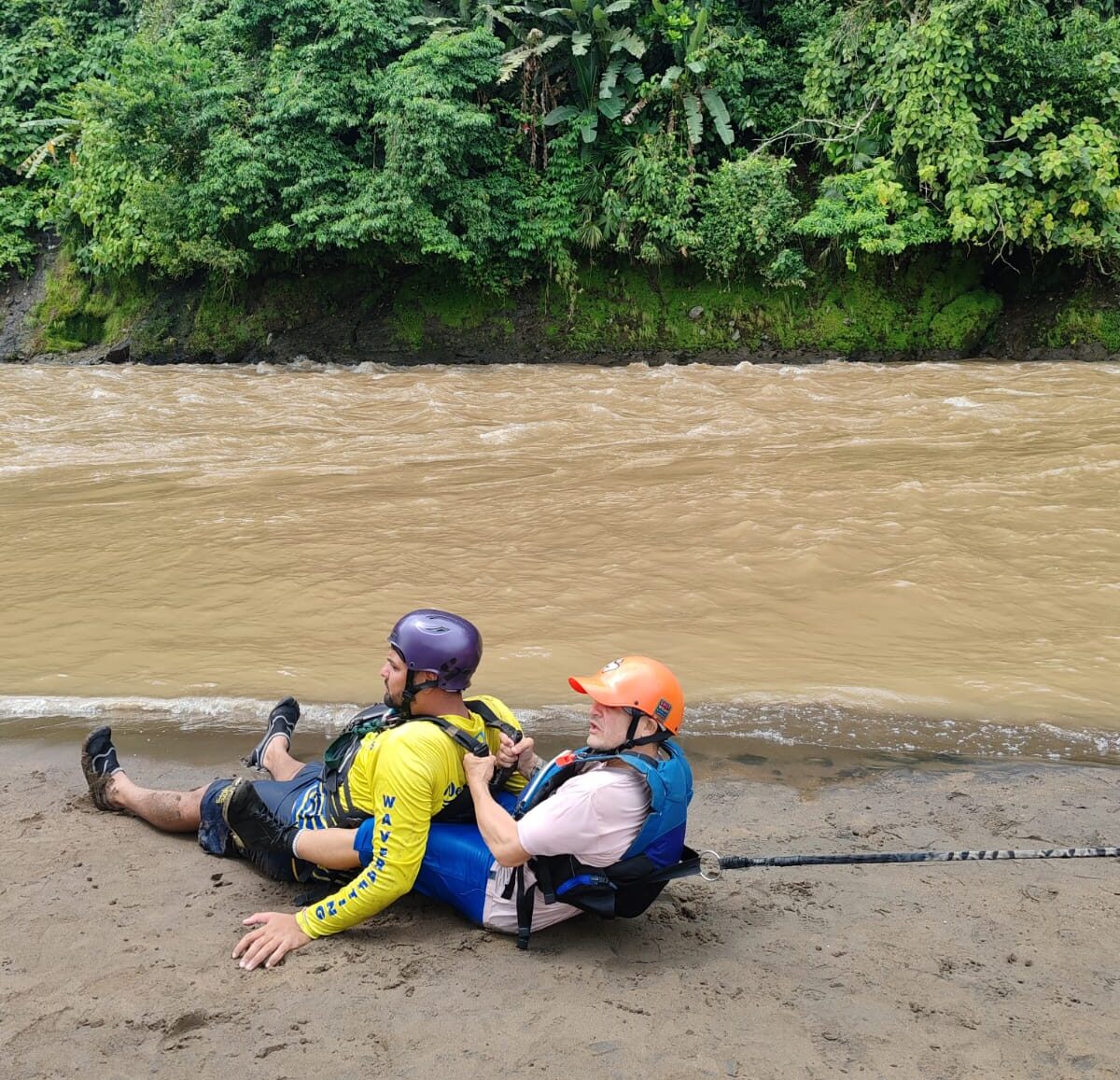
In Costa Rica, the licensing and regulation of rafting guides are strictly enforced. The National Tourism Board, along with adventure sports authorities, oversees this process. Their goal is to maintain high safety and quality standards.
Guides must meet specific criteria before they can lead river trips. Licensing ensures that only competent individuals guide adventures. This regulatory framework protects both the environment and tourists.
The process involves background checks and proof of training. Guides must demonstrate their skills and knowledge through assessments. These checks ensure that only qualified individuals are licensed.
Continuous regulation is crucial. Authorities conduct periodic evaluations of guides and companies. These evaluations help maintain standards and enforce new regulations. The framework promotes a safe and enjoyable experience for adventurers.
Key regulatory components include:
Verification of training and certification
Regular evaluations and assessments
Compliance with safety and environmental standards
Promotion of ethical and sustainable tourism practices
This comprehensive oversight strengthens Costa Rica’s reputation for safe adventure tourism.
International Safety Standards and Certifications
The world of whitewater rafting is governed by international safety standards. These standards are designed to protect rafters and guides alike. Certified guides in Costa Rica adhere strictly to these guidelines.
International certifications are vital for recognizing the competence of guides. These certifications confirm that guides have the necessary skills and knowledge. They ensure consistency and reliability across different operators.
Global standards often include protocols for equipment and emergency procedures. These standards require guides to be proficient in first aid and rescue techniques. Costa Rican guides often undergo extensive training to meet these international criteria.
Certifications are usually awarded by organizations recognized worldwide. The American Canoe Association (ACA) is one such organization. It plays a significant role in maintaining high safety standards.
Key aspects of international safety standards include:
Rigorous training and assessment procedures
Emphasis on emergency response and risk management
Standardized safety equipment and procedures
Periodic renewal and updates to maintain certifications
Such standards are crucial for maintaining safe rafting conditions. They provide a framework that guides can rely on to deliver safe, exciting experiences. This commitment to quality boosts the confidence of all who venture into Costa Rica’s waters.
The Role of the International Rafting Federation (IRF)
The International Rafting Federation (IRF) is pivotal in the rafting world. It sets benchmarks for safety, guide training, and environmental stewardship. In Costa Rica, IRF guidelines are integral to guide certification.
IRF certification ensures a high standard of professionalism. Guides gain skills beyond basic rafting techniques. They learn about leadership, teamwork, and emergency management.
The IRF fosters global collaboration among rafting professionals. It facilitates knowledge sharing and best practices. This helps guide communities remain informed and skilled.
Key functions of the IRF include:
Establishing global safety and training standards
Conducting certification programs for rafting professionals
Promoting sustainable and environmentally-friendly rafting practices
Hosting international events to foster community and education
These efforts by the IRF help maintain the quality of rafting adventures. They ensure that guides worldwide, including those in Costa Rica, are equipped to provide safe and enjoyable experiences. This global network enhances the credibility and reliability of adventure guides.
Safety Protocols and Equipment for Costa Rica Rafting
Safety is paramount in river rafting, especially in the dynamic waters of Costa Rica. Certified guides prioritize participant protection through stringent protocols and reliable equipment. Understanding the unique challenges of Costa Rican rivers is essential to safety.
Essential safety equipment includes helmets, life jackets, and paddles. Guides ensure all gear meets international standards. Correct fitting of safety gear is carefully checked before embarking.
Regular safety briefings are conducted before each rafting session. Guides explain what to do in emergencies and highlight key signals. These briefings also cover the importance of communication and teamwork on the water.
Rafting participants can expect trained guides to handle emergencies adeptly. Guides are skilled in risk assessment and always maintain a keen eye on weather conditions and water levels. Their vigilance assures a safe and enjoyable ride.
Key safety measures include:
Conducting thorough safety briefings
Using high-quality, certified equipment
Regularly inspecting all safety gear
Monitoring environmental conditions continually
This comprehensive approach reassures guests, providing peace of mind as they enjoy Costa Rica’s breathtaking river adventures.
Environmental Stewardship and Sustainable Tourism
Costa Rica is celebrated for its vibrant ecosystems and biodiversity. Certified rafting guides play a vital role in preserving these natural resources. Their training includes lessons on environmental stewardship.
Rafting guides educate tourists about eco-friendly practices. This ensures minimal impact on local flora and fauna. Their commitment to sustainability enhances the overall adventure experience.
In addition to guiding on the river, they promote awareness of local conservation efforts. Eco-tourism benefits the community and the natural environment. Guides’ insights into the region’s biodiversity foster respect and appreciation among visitors.
Key sustainable practices include:
Promoting leave-no-trace principles
Educating about local wildlife
Encouraging responsible waste disposal
Supporting local conservation projects
Through responsible tourism, guides help maintain the pristine beauty of Costa Rica’s rivers. This ensures their allure for generations to come, balancing adventure with ecological respect.
The Experience: What to Expect with a Certified Guide
Embarking on a river rafting adventure in Costa Rica with a certified guide ensures a memorable and safe experience. These guides are well-versed in local rivers and their unique challenges. They are trained to provide guests with unforgettable moments.
During the rafting trip, expect detailed safety briefings and instructions. Certified guides prioritize the well-being of all participants. Their knowledge extends beyond safety, enhancing the tour with cultural and natural insights.
Guides often share captivating stories about the region’s history and biodiversity. This enriches the rafting journey, providing a deeper connection to the landscape. The guides’ passion for the environment and culture elevates the adventure.
Anticipate the following when rafting with a certified guide:
Detailed safety briefings
Insights into local culture and nature
Enthusiastic storytelling
Professional navigation skills
Experiencing Costa Rica’s rivers with a certified guide offers excitement and a deeper appreciation of this stunning country.
Conclusion: Why Certified Guides Make the Difference
Certified whitewater rafting guides in Costa Rica enhance safety and enrich experiences. Their rigorous training ensures they can handle diverse situations on the river.
By adhering to international safety standards, these guides contribute to Costa Rica’s reputation as a top adventure destination. Their skills and knowledge create unforgettable rafting adventures for tourists from around the world.